62%
right answers in Microsoft's "Real or Not" quiz
About 287,000 image ratings by 12,500+ people. Landscapes were hardest. Coin flip: 50%.
Microsoft AI for Good Lab, 2025Challenge result
✓ = right, ✗ = fooled. Left mark: , right mark: .
Oct 2026 Google opened its AI-image checker to everyone. It only spots images made with Google AI.
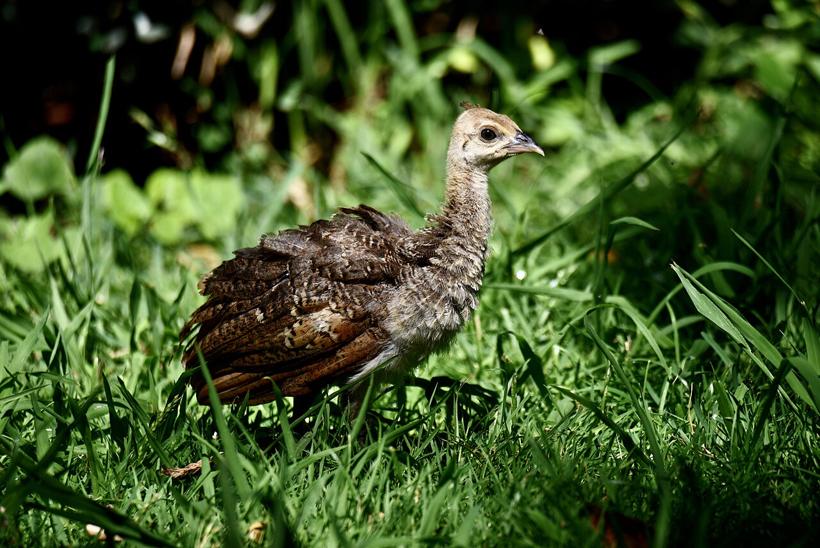
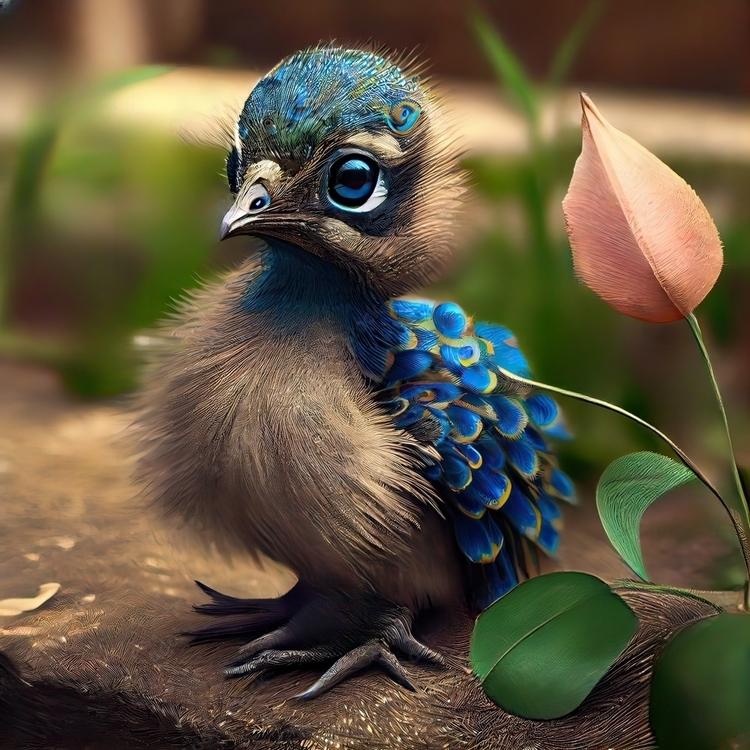
12 pictures. Real photo or AI? Play in 2 minutes and learn one tell per picture. Then send the same 12 to your mum, dad or grandma and compare scores.
Free · no account · no upload · works on any phone
And the people least sure are often the ones who forward the most pictures to the family chat.
62%
right answers in Microsoft's "Real or Not" quiz
About 287,000 image ratings by 12,500+ people. Landscapes were hardest. Coin flip: 50%.
Microsoft AI for Good Lab, 202521%
of UK adults aged 65+ feel confident spotting AI images
Compared with 72% of 18–24 year olds. 17% of over-65s say they see no difference at all.
The Harris Poll UK65%
correct answers from people 65+, vs 79% for ages 18–29
An Australian Real-or-AI quiz with 3,198 people. Every age group missed some.
The CareSide study, via The SeniorTap your answer. After each picture you see the answer and one tell. Keyboard: R = real, A = AI.
Everything runs in your browser. Nothing is uploaded or stored.
1
Play 12 pictures
6 are AI, 6 are real photos. Some real ones look very fake.
2
Learn one tell each
Watermarks, melting hands, impossible animals, like-bait stories.
3
Send the challenge
One link via WhatsApp or SMS. Your score stays hidden.
4
Compare
They see both scores and can send their result back to you.
No check is perfect. Together they catch most of the fakes in the game.
We're testing whether to build Fooled Yet? Family: 5 fresh pictures every week, taken from fakes going viral right now, sent to your family group chat with a little leaderboard. Join the waitlist for one email at launch.
All 12 are from Wikimedia Commons. The 6 AI images are public domain or CC0 and are labelled as AI-generated there. The 6 real photos are by named photographers under Creative Commons licences. Every picture is credited below with its source.
No. 12 pictures are a warm-up, not a test you can pass forever. Newer generators make fewer obvious mistakes, so the habit of checking the source matters more than any single tell.
Your first name (if you typed one), the name of the person you challenge and your 12 answers, scrambled after the # sign. Browsers do not send that part to our server. Scrambled is not encrypted, so anyone with the link could decode it.
No. The game runs in your browser. No account, no cookies, no analytics. Only if you join the waitlist do we receive your email.
Use one as an extra check. Google's SynthID check only recognises images from Google's own AI tools, and Google says a missing watermark does not mean an image is real. Detectors from other companies can be wrong too.
Only if you want it to. Scores are only seen by whoever has the link. Many people find it easier to laugh about a game than to be corrected about a post they shared.
We don't know yet, which is why the waitlist asks what you'd pay. The idea: a fresh round every week from fakes that are going viral, a family leaderboard, and printable cheat sheets.
All images via Wikimedia Commons, resized for the web. Credits appear after each answer so they don't give it away early.